Device comparison

Pimoroni PicoSystem vs. Byte-Mix Labs microByte

Compare specs, emulation support, community reviews, ownership, and play history.

Compare

With

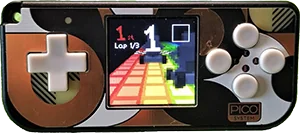
PicoSystem
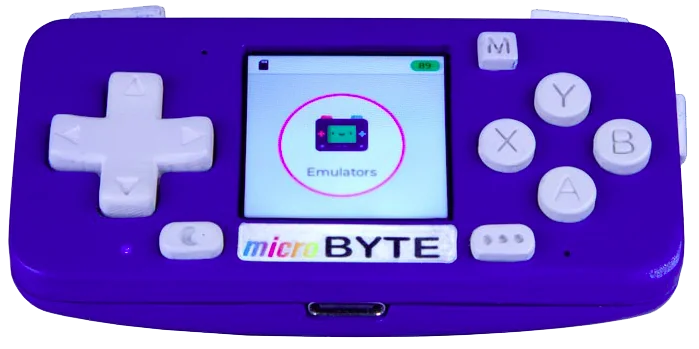
microByte

Not shown to scale. Real-world dimensions are missing for one or both devices.

Quick verdict

Best value
microByte
Newer model
PicoSystem

Main differences

  • Byte-Mix Labs microByte has stronger listed emulation coverage.
  • Byte-Mix Labs microByte is about $26 cheaper based on catalog pricing.
  • Pimoroni PicoSystem has a IPS screen, versus 60 Hz IPS on Byte-Mix Labs microByte.
  • Pimoroni PicoSystem runs ❌; Byte-Mix Labs microByte runs Open Source.

Pimoroni

PicoSystem

Details
Price
$79
OS
Released
Oct 2021
Up to
Unknown
Screen
1.54 inch IPS
Weight
Unknown

No reviews yet

0 collectors

Byte-Mix Labs

microByte

Details
Price
$53
OS
Open Source
Released
Jul 2021
Up to
Game Boy
Screen
1.3 inch IPS
Weight
?

No reviews yet

0 collectors

Specs

BetterWorse

SpecPicoSystemmicroByte
Price$79$53
OSOpen Source
Screen1.54 inch1.3 inch
Refresh rateUnknown60 Hz
ChipsetRaspberry Pi PicoEspressif Systems ESP32-WROVER E
CPURP2040 M0+Tensilica Xtensa LX6
RAM265 KB SRAM8 MB
StorageInternal 16 MB Flash ROMInternal 16 MB & External MicroSD
Battery525h mAh500 mAh
WeightUnknown?
DimensionsUnknown78 mm x 40 mm x 17 mm
BluetoothNoYes

Emulation

Excellent › Good › Playable › Limited › Unsupported

SystemPicoSystemmicroByte
Classic systems
Game Boy
NES
Genesis
GBA
SNES
PS1
Mid-generation systems
DS
N64
Dreamcast
PSP
Saturn
Sixth-generation systems
GameCube
Wii
PS2
Modern systems
3DS
Switch
Wii U
PS3

Emulation source notes

  • PicoSystem DS: Nintendo DS: Either cannot run any games at all or games are unplayably slow
  • microByte DS: Nintendo DS: Either cannot run any games at all or games are unplayably slow
  • PicoSystem 3DS: Nintendo 3DS: Either cannot run any games at all or games are unplayably slow
  • microByte 3DS: Nintendo 3DS: Either cannot run any games at all or games are unplayably slow
  • PicoSystem GBA: Nintendo Game Boy Advance: Either cannot run any games at all or games are unplayably slow
  • microByte GBA: Nintendo Game Boy Advance: Either cannot run any games at all or games are unplayably slow
  • PicoSystem N64: Nintendo 64: Either cannot run any games at all or games are unplayably slow
  • microByte N64: Nintendo 64: Either cannot run any games at all or games are unplayably slow
  • PicoSystem NES: Nintendo Entertainment System: Either cannot run any games at all or games are unplayably slow
  • microByte NES: Nintendo Entertainment System: Almost all games playable at full speed without frameskip
  • PicoSystem PS1: Sony Playstation: Either cannot run any games at all or games are unplayably slow
  • microByte PS1: Sony Playstation: Either cannot run any games at all or games are unplayably slow
  • PicoSystem PS2: Sony Playstation 2: Either cannot run any games at all or games are unplayably slow
  • microByte PS2: Sony Playstation 2: Either cannot run any games at all or games are unplayably slow
  • PicoSystem PS3: Sony Playstation 3: Either cannot run any games at all or games are unplayably slow
  • microByte PS3: Sony Playstation 3: Either cannot run any games at all or games are unplayably slow
  • PicoSystem PSP: Sony Playstation Portable: Either cannot run any games at all or games are unplayably slow
  • microByte PSP: Sony Playstation Portable: Either cannot run any games at all or games are unplayably slow
  • PicoSystem Wii: Nintendo Wii: Either cannot run any games at all or games are unplayably slow
  • microByte Wii: Nintendo Wii: Either cannot run any games at all or games are unplayably slow
  • PicoSystem SNES: Super Nintendo Entertainment System: Either cannot run any games at all or games are unplayably slow
  • microByte SNES: Super Nintendo Entertainment System: Only the easiest to emulate games are barely playable
  • PicoSystem Wii U: Nintendo Wii U: Either cannot run any games at all or games are unplayably slow
  • microByte Wii U: Nintendo Wii U: Either cannot run any games at all or games are unplayably slow
  • PicoSystem Saturn: Sega Saturn: Either cannot run any games at all or games are unplayably slow
  • microByte Saturn: Sega Saturn: Either cannot run any games at all or games are unplayably slow
  • PicoSystem Switch: Nintendo Switch: Either cannot run any games at all or games are unplayably slow
  • microByte Switch: Nintendo Switch: Either cannot run any games at all or games are unplayably slow
  • PicoSystem Genesis: Sega Genesis / Mega Drive: Either cannot run any games at all or games are unplayably slow
  • microByte Genesis: Sega Genesis / Mega Drive: Either cannot run any games at all or games are unplayably slow
  • PicoSystem Game Boy: Nintendo Game Boy / Game Boy Color: Either cannot run any games at all or games are unplayably slow
  • microByte Game Boy: Game Boy / Game Boy Color: Almost all games playable at full speed without frameskip
  • PicoSystem GameCube: Nintendo GameCube: Either cannot run any games at all or games are unplayably slow
  • microByte GameCube: Nintendo GameCube: Either cannot run any games at all or games are unplayably slow
  • PicoSystem Dreamcast: Sega Dreamcast: Either cannot run any games at all or games are unplayably slow
  • microByte Dreamcast: Sega Dreamcast: Either cannot run any games at all or games are unplayably slow

Frequently asked

What's the difference between the Pimoroni PicoSystem and the Byte-Mix Labs microByte?
Byte-Mix Labs microByte has stronger listed emulation coverage. Byte-Mix Labs microByte is about $26 cheaper based on catalog pricing. Pimoroni PicoSystem has a IPS screen, versus 60 Hz IPS on Byte-Mix Labs microByte. Pimoroni PicoSystem runs ❌; Byte-Mix Labs microByte runs Open Source.
Which is cheaper, the Pimoroni PicoSystem or the Byte-Mix Labs microByte?
The Byte-Mix Labs microByte is the cheaper of the two at around $53, roughly $26 less than the Pimoroni PicoSystem based on catalog pricing.
Which is newer, the Pimoroni PicoSystem or the Byte-Mix Labs microByte?
The Pimoroni PicoSystem is the newer model, released in 2021.

Compare PicoSystem with