Device comparison

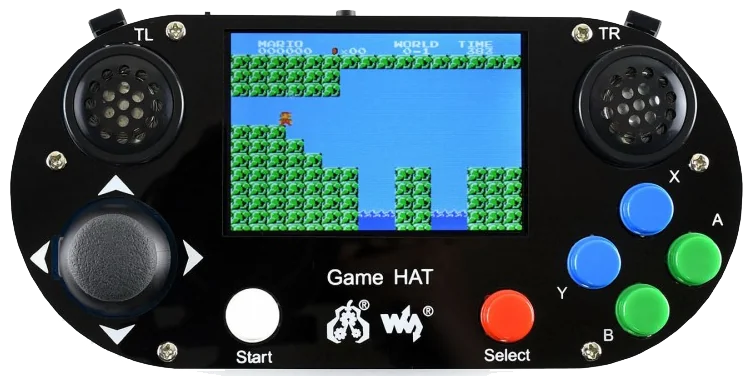
WaveShare GamePi20 vs. Miyoo PocketGo

Compare specs, emulation support, community reviews, ownership, and play history.

Compare

With

GamePi20
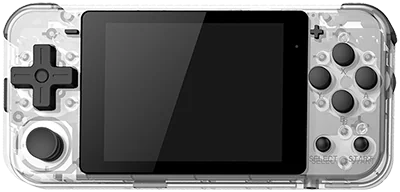
PocketGo

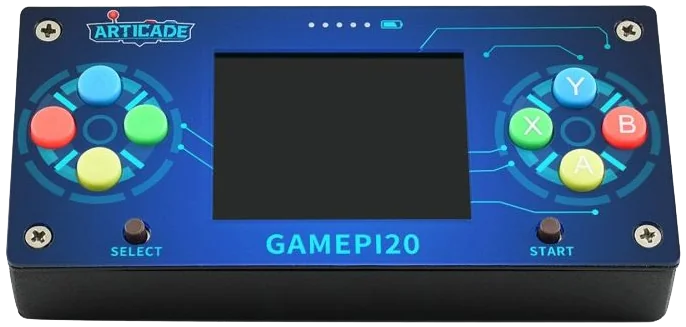
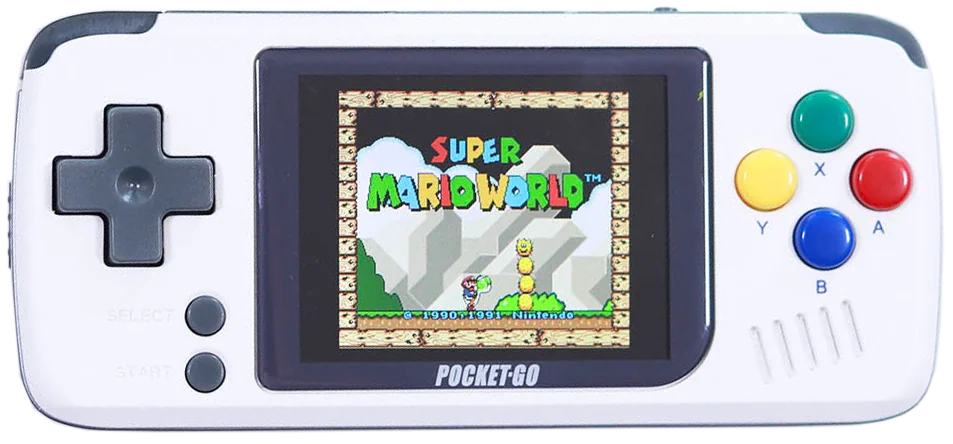
Shown to scale from each device’s real-world dimensions.

Quick verdict

Best value
GamePi20
More portable
PocketGo
Newer model
GamePi20

Main differences

  • WaveShare GamePi20 has similar emulation coverage to Miyoo PocketGo.
  • WaveShare GamePi20 is about $10 cheaper based on catalog pricing.
  • WaveShare GamePi20 is roughly 22% smaller and 69% lighter.
  • WaveShare GamePi20 runs Linux (RetroPie); Miyoo PocketGo runs NxHope.

WaveShare

GamePi20

Details
Price
$30
OS
Linux (RetroPie)
Released
Aug 2019
Up to
Genesis
Screen
2.0 inch IPS
Weight
150 grams

No reviews yet

0 collectors

Miyoo / Bittboy

PocketGo

Details
Price
$40
OS
NxHope
Released
Jun 2019
Up to
Genesis
Screen
2.4 inch IPS
Weight
89 grams

No reviews yet

0 collectors

Specs

BetterWorse

SpecGamePi20PocketGo
Price$30$40
OSLinux (RetroPie)NxHope
Screen2.0 inch2.4 inch
ChipsetBroadcom BCM2835Allwinner F1C100S
CPUARM1176JZF-SARM926EJ-S
GPUBroadcom VideoCore IV2D accelerator
RAM512 MB DDR32 MB SDRAM
StorageInternal MicroSDExternal MicroSD
Battery145001000 mAh
Weight150 grams89 grams
Dimensions108 mm x 50 mm x 20 mm123 mm x 56 mm x 14 mm
Video outYesNo
BluetoothYesNo

Emulation

Excellent › Good › Playable › Limited › Unsupported

SystemGamePi20PocketGo
Classic systems
Game Boy
NES
Genesis
GBA
SNES
PS1
Mid-generation systems
DS
N64
Dreamcast
PSP
Saturn
Sixth-generation systems
GameCube
Wii
PS2
Modern systems
3DS
Switch
Wii U
PS3

Emulation source notes

  • GamePi20 DS: Nintendo DS: Either cannot run any games at all or games are unplayably slow
  • PocketGo DS: Nintendo DS: Either cannot run any games at all or games are unplayably slow
  • GamePi20 3DS: Nintendo 3DS: Either cannot run any games at all or games are unplayably slow
  • PocketGo 3DS: Nintendo 3DS: Either cannot run any games at all or games are unplayably slow
  • GamePi20 GBA: Nintendo Game Boy Advance: Most games playable at full speed, a few games have lower frame rates but still mostly playable with frameskip
  • PocketGo GBA: Nintendo Game Boy Advance: Most games playable at full speed, a few games have lower frame rates but still mostly playable with frameskip
  • GamePi20 N64: Nintendo 64: Only the easiest to emulate games are barely playable
  • PocketGo N64: Nintendo 64: Either cannot run any games at all or games are unplayably slow
  • GamePi20 NES: Nintendo Entertainment System: Almost all games playable at full speed without frameskip
  • PocketGo NES: Nintendo Entertainment System: Almost all games playable at full speed without frameskip
  • GamePi20 PS1: Sony Playstation: Most games playable but mostly with frameskip, struggles with harder to emulate games
  • PocketGo PS1: Sony Playstation: Only the easiest to emulate games are barely playable
  • GamePi20 PS2: Sony Playstation 2: Either cannot run any games at all or games are unplayably slow
  • PocketGo PS2: Sony Playstation 2: Either cannot run any games at all or games are unplayably slow
  • GamePi20 PS3: Sony Playstation 3: Either cannot run any games at all or games are unplayably slow
  • PocketGo PS3: Sony Playstation 3: Either cannot run any games at all or games are unplayably slow
  • GamePi20 PSP: Sony Playstation Portable: Either cannot run any games at all or games are unplayably slow
  • PocketGo PSP: Sony Playstation Portable: Either cannot run any games at all or games are unplayably slow
  • GamePi20 Wii: Nintendo Wii: Either cannot run any games at all or games are unplayably slow
  • PocketGo Wii: Nintendo Wii: Either cannot run any games at all or games are unplayably slow
  • GamePi20 SNES: Super Nintendo Entertainment System: Most games playable but mostly with frameskip, struggles with harder to emulate games
  • PocketGo SNES: Super Nintendo Entertainment System: Most games playable but mostly with frameskip, struggles with harder to emulate games
  • GamePi20 Wii U: Nintendo Wii U: Either cannot run any games at all or games are unplayably slow
  • PocketGo Wii U: Nintendo Wii U: Either cannot run any games at all or games are unplayably slow
  • GamePi20 Saturn: Sega Saturn: Either cannot run any games at all or games are unplayably slow
  • PocketGo Saturn: Sega Saturn: Either cannot run any games at all or games are unplayably slow
  • GamePi20 Switch: Nintendo Switch: Either cannot run any games at all or games are unplayably slow
  • PocketGo Switch: Nintendo Switch: Either cannot run any games at all or games are unplayably slow
  • GamePi20 Genesis: Sega Genesis / Mega Drive: Almost all games playable at full speed without frameskip
  • PocketGo Genesis: Sega Genesis / Mega Drive: Almost all games playable at full speed without frameskip
  • GamePi20 Game Boy: Game Boy / Game Boy Color: Almost all games playable at full speed without frameskip
  • PocketGo Game Boy: Game Boy / Game Boy Color: Almost all games playable at full speed without frameskip
  • GamePi20 GameCube: Nintendo GameCube: Either cannot run any games at all or games are unplayably slow
  • PocketGo GameCube: Nintendo GameCube: Either cannot run any games at all or games are unplayably slow
  • GamePi20 Dreamcast: Sega Dreamcast: Either cannot run any games at all or games are unplayably slow
  • PocketGo Dreamcast: Sega Dreamcast: Either cannot run any games at all or games are unplayably slow

Frequently asked

What's the difference between the WaveShare GamePi20 and the Miyoo PocketGo?
WaveShare GamePi20 has similar emulation coverage to Miyoo PocketGo. WaveShare GamePi20 is about $10 cheaper based on catalog pricing. WaveShare GamePi20 is roughly 22% smaller and 69% lighter. WaveShare GamePi20 runs Linux (RetroPie); Miyoo PocketGo runs NxHope.
Which is cheaper, the WaveShare GamePi20 or the Miyoo PocketGo?
The WaveShare GamePi20 is the cheaper of the two at around $30, roughly $10 less than the Miyoo PocketGo based on catalog pricing.
Which is newer, the WaveShare GamePi20 or the Miyoo PocketGo?
The WaveShare GamePi20 is the newer model, released in 2019.

Compare GamePi20 with